Florida home shopping can move fast. A well-priced home in Miramar, Weston, Miami, or Orlando can attract multiple offers quickly, while a condo in another area may sit longer because of insurance costs, association rules, or shifting demand. If you want to buy with confidence, the goal is not just finding a home you like. It is understanding how Florida works before you make an offer.
That is what makes the process easier. When you know your budget, your financing options, the local trade-offs, and the property details that matter in this state, you can move quickly without feeling rushed.
How to buy a home in Florida without getting overwhelmed
The simplest way to think about buying is this: start with your numbers, narrow your area, then evaluate each property through a Florida lens. That means looking beyond finishes and square footage to things like flood exposure, roof age, HOA rules, and insurance costs.
Many buyers begin with online listings, which makes sense. It helps you compare price ranges, home styles, commute times, and neighborhood features before you tour anything. But browsing alone does not tell you whether a home fits your full monthly budget or whether a seemingly lower-priced property may cost more over time.
A smart Florida home search balances excitement with homework.
Start with the monthly payment, not just the price
A lot of buyers search by purchase price first. In Florida, that can be misleading. Two homes with similar prices can have very different monthly costs because of property taxes, homeowners insurance, flood insurance, mortgage insurance, and HOA or condo association fees.
Before you tour homes seriously, talk with a lender and get pre-approved. This gives you a realistic price range and shows sellers you are ready to move. More importantly, ask for a full payment estimate, not just principal and interest. You want to understand what the payment looks like with taxes, insurance, and any association dues included.
If you are a first-time buyer, this step can save you from falling in love with the wrong home too early. If you are relocating from another state, it helps reset expectations because Florida costs are structured differently than many buyers expect.
Choose the loan that fits your life
There is no single best mortgage for every buyer. Conventional loans work well for many households with strong credit and stable income. FHA loans can help if your down payment is smaller. VA loans are a strong option for eligible buyers because of their flexibility and long-term value.
The right choice depends on your savings, credit profile, monthly comfort level, and how long you plan to stay in the home. A lower down payment can help you buy sooner, but it may also mean a higher monthly payment. A larger down payment can reduce monthly costs, but it may leave you with less cash for moving, repairs, or reserves.
That trade-off matters in Florida, where buyers should keep extra room in their budget for inspections, insurance adjustments, and post-closing maintenance.
Pick the right area before the right house
One of the biggest mistakes buyers make is focusing too much on the property and not enough on the location. In Florida, neighborhood fit shapes your daily life just as much as the home itself.
If you work in Miami but buy far west for more space, your commute may become the part of the purchase you regret. If you want a family-friendly area with parks and schools, a trendy urban neighborhood may not serve you as well over time. If you are moving for lifestyle, rental potential, or future resale, the area matters just as much as the kitchen.
What to look at when comparing Florida neighborhoods
Pay attention to commute routes, school preferences, local amenities, and how the neighborhood feels at different times of day. Also look at the housing mix. Some buyers want a single-family home with a yard. Others prefer a condo or townhouse with lower exterior maintenance.
In South Florida especially, neighborhood differences can be significant within a short drive. One community may offer newer homes and strong association amenities, while another may have larger lots, older homes, and fewer recurring fees. Neither is automatically better. It depends on how you want to live.
Using a platform like Wyser Homes can help you compare listings and communities more efficiently, especially if you are narrowing by city, home type, or lifestyle needs.
Tour homes with Florida-specific questions in mind
Once you start touring, it helps to look past staging and ask practical questions early. A beautiful home can still become an expensive surprise if key systems are aging or if the property has insurance challenges.
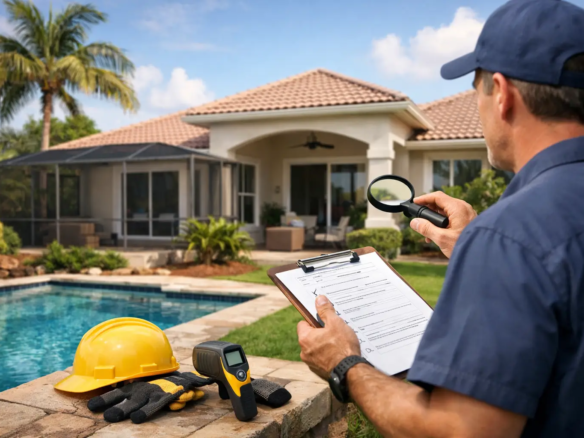
In Florida, buyers should pay close attention to the roof, windows, HVAC system, plumbing, electrical updates, and signs of moisture or previous water intrusion. Ask whether the property is in a flood zone and whether the seller currently carries flood insurance. If it is a condo or townhouse, review association fees, rules, reserves, and any upcoming assessments.
Why insurance and association details matter so much
Insurance has become one of the most important parts of buying in Florida. An older roof, certain property conditions, or a higher-risk location can affect both insurability and cost. That means a home that seems affordable at first glance may stretch your budget once you get actual quotes.
For condos, buyers should be especially careful. A lower sale price does not always mean lower ownership cost. Monthly dues, special assessments, building maintenance obligations, and financing restrictions can all affect affordability and resale.
This is one of those moments where slowing down is smart. Moving fast on the wrong property rarely saves money.
Make an offer based on the market, not emotion
When you find the right home, your offer should reflect both your goals and current market conditions. In a competitive area, a clean offer with strong financing and flexible timing can matter as much as price. In a slower segment, you may have more room to negotiate repairs, credits, or closing costs.
Your real estate strategy should account for recent comparable sales, days on market, seller motivation, and property condition. Offering too low can cost you the home. Offering too much without understanding the market can create problems if the appraisal comes in low.
Include the right protections
A solid offer usually includes contingencies that protect you while keeping the deal attractive. Financing, inspection, and appraisal contingencies are common for good reason. They give you a path to evaluate the home and your loan without taking unnecessary risk.
The exact structure depends on the property and competition. Some buyers need more flexibility. Others may be able to shorten timelines to strengthen their offer. This is where experienced guidance matters, because the best offer is not always the highest one. It is the one that balances protection with a real chance of acceptance.
Inspections, underwriting, and the stretch before closing
After your offer is accepted, the process becomes less visible but no less important. You will complete inspections, finalize your mortgage, review title work, and prepare for closing costs and documents.
A Florida home inspection should be taken seriously. Depending on the property, buyers may also want specialized inspections for roof condition, mold, pests, sewer lines, or structural concerns. If issues come up, you may negotiate repairs, request credits, or decide the home is no longer the right fit.
At the same time, your lender will move through underwriting. Avoid changing jobs, opening new credit accounts, or making large purchases during this period. Even buying furniture too early can create loan issues.
Know your cash needs before closing day
Your down payment is only part of what you need. Buyers should also prepare for closing costs, prepaid taxes and insurance, escrow funding, moving expenses, and immediate home needs after move-in.
It helps to keep a cushion. Even well-maintained homes come with first-month surprises, whether that is servicing the AC, changing locks, or handling small repairs.
How to buy a home in Florida and feel good after you close
A successful purchase is not just getting to the closing table. It is buying a home that fits your budget, location needs, and future plans without creating avoidable stress a month later.
That means staying honest about your non-negotiables. Maybe you want top-rated schools, a shorter commute, space for a growing family, or a property with long-term value in a strong neighborhood. Maybe you are balancing lifestyle and investment potential. The right answer is not the same for everyone.
Florida offers real opportunity, but it rewards buyers who ask better questions. Focus on the full cost, the true neighborhood fit, and the details that affect ownership after the keys are in your hand.
The best next step is a simple one: get clear on your numbers, narrow your target areas, and start comparing homes with a plan that makes the process feel manageable from day one.