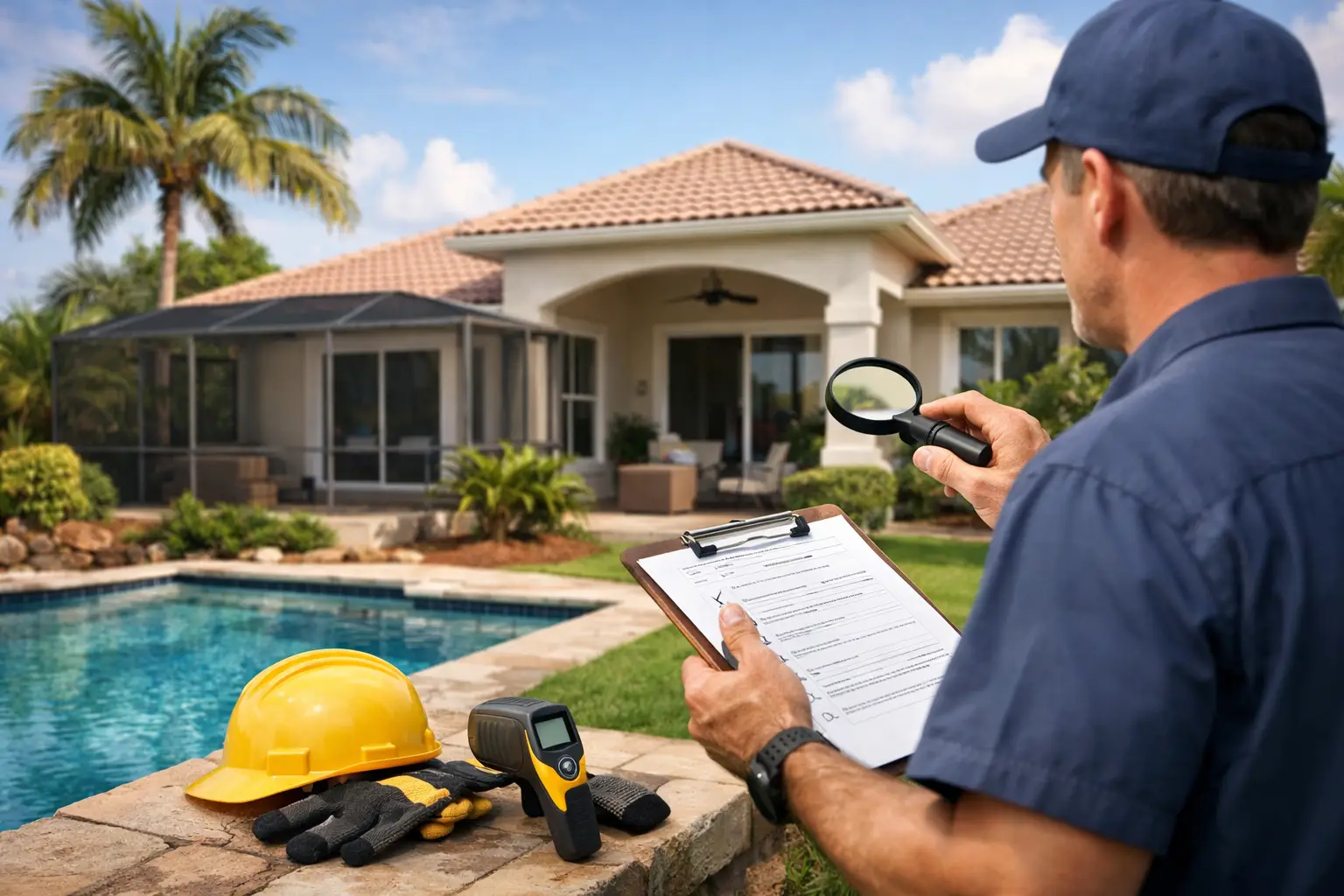
A house can look perfect at a Saturday showing and still hide expensive problems behind the walls, under the roof, or around the foundation. That is why a Florida home inspection checklist guide matters so much, especially in a state where heat, humidity, wind, rain, and age can affect a property in very specific ways.
If you’re buying, selling, or investing in Florida real estate, the inspection is not just a box to check before closing. It is one of the clearest moments in the transaction. You find out what is working, what needs attention, and what may change your budget or negotiation strategy. The goal is not to expect a flawless home. The goal is to understand the property clearly enough to move forward with confidence.
What a Florida home inspection checklist guide should help you catch
A good inspection checklist keeps you focused on the systems and conditions that matter most. In Florida, that means paying close attention to moisture, roofing, drainage, HVAC performance, windows and doors, and any signs that weather exposure has shortened the life of major components.
Many buyers assume the inspection is mainly about visible damage. It is often more about patterns. Small ceiling stains can suggest a roof issue. A sticking door may point to settling or moisture movement. Rust around the water heater may indicate age, leaks, or poor ventilation. One issue alone may be manageable. Several related issues together can change the picture.
For sellers, this works the same way in reverse. A pre-listing review of the home’s condition can help avoid surprises once a buyer brings in an inspector. In competitive Florida markets, that kind of preparation can save time and protect your negotiating position.
Exterior and structural areas to review first
Most inspection concerns start outside. Florida homes deal with strong sun, heavy rain, high humidity, and in some areas salt air exposure. Those conditions can wear down materials faster than many out-of-state buyers expect.
Roof condition and remaining life
The roof deserves close attention because it affects financing, insurance, and future maintenance costs. Inspectors typically look for missing or damaged shingles, cracked tiles, soft spots, flashing problems, sagging areas, and signs of active or past leaks. In Florida, the age of the roof can matter almost as much as its current appearance.
A roof that still functions may still raise questions for an insurer if it is near the end of its expected life. That does not always mean the deal is in trouble, but it may affect negotiations, credits, or a buyer’s overall monthly cost.
Grading, drainage, and foundation signs
Water should move away from the home, not toward it. Look at the slope of the lot, standing water, erosion, and whether gutters and downspouts are directing runoff properly. Poor drainage can lead to foundation stress, wood rot, mold concerns, and landscape damage.
Foundation issues are not always dramatic. Hairline cracks may be cosmetic. Wider cracks, uneven floors, or doors and windows that no longer close properly deserve more attention. This is one of those areas where context matters. A seasoned inspector can flag concerns, but sometimes a specialist is needed if signs point to a larger structural issue.
Exterior walls, windows, and doors
Stucco cracks, damaged siding, peeling paint, soft wood trim, and failed caulking can all let moisture in. Windows and doors should open, close, and lock properly. In Florida, buyers should also ask whether the openings are impact-rated or protected with shutters, since storm protection can affect both safety and insurance.
Older windows are not necessarily a deal breaker, but they may be less energy efficient and more vulnerable in severe weather. If replacement is likely in the next few years, that should be part of your total cost planning.
Interior systems that shape comfort and cost
Once the exterior is reviewed, the next step is understanding how the home performs day to day. A home that shows well but has aging systems can become expensive quickly.
HVAC and indoor cooling
In Florida, air conditioning is not a luxury item. It is a core system. An inspector will usually check whether the unit turns on, cools properly, and shows visible signs of wear, leakage, rust, or poor maintenance. They may also note the age of the system and the condition of vents and filters.
An HVAC unit can work during inspection and still be near the end of its service life. That is why buyers should ask not only whether it works today, but how old it is and whether maintenance records are available. Sellers who have serviced the system regularly should be ready to show that.
Plumbing, water heater, and leak indicators
Plumbing issues often hide in plain sight. Inspectors look for slow drains, low water pressure, visible leaks, corrosion, loose fixtures, and water damage around sinks, tubs, toilets, and laundry areas. They also review the water heater for age, rust, venting concerns, and signs of failure.
In Florida homes, moisture is always worth taking seriously. A small leak under a sink may be easy to fix. Long-term moisture behind cabinetry or walls can create a very different repair conversation.
Electrical panel and safety concerns
The inspection should include a review of visible electrical components such as the service panel, wiring conditions, outlets, switches, and fixtures. The main concern here is safety. Outdated panels, double-tapped breakers, exposed wiring, or missing GFCI protection in required areas can all come up during inspection.
This does not always mean the house is unsafe to buy. It may mean updates are needed. Some electrical findings are inexpensive corrections. Others can affect insurance eligibility or trigger the need for a licensed electrician to review the system further.
Florida-specific issues buyers and sellers should not overlook
This is where a general checklist becomes more useful when adapted to Florida conditions.
Moisture, mold, and ventilation
Humidity changes everything. Bathrooms, attics, laundry rooms, and areas around windows are common places where moisture problems start. Inspectors may note stains, musty odors, warped materials, or inadequate ventilation. Mold testing is usually separate from a standard home inspection, so buyers should know that visible signs may lead to an added recommendation rather than a final answer on the spot.
The trade-off is simple. Extra testing adds cost, but skipping it can leave a bigger issue undiscovered.
Termites and wood-destroying organisms
Florida’s climate makes pest activity a real concern. A standard home inspection may flag signs of damage, but a separate wood-destroying organism inspection is often advisable. This is especially true for older homes or properties with visible wood exposure, past damage, or moisture issues.
If a report shows prior treatment, ask for documentation. Past treatment can be reassuring if it was handled properly, but buyers still need to know whether any damage remains or ongoing monitoring is needed.
Wind mitigation and insurance implications
In Florida, inspection-related information often reaches beyond repair planning and into insurance costs. Roof shape, attachment methods, secondary water resistance, opening protection, and other wind-mitigation features can influence premiums.
That is why two homes with similar prices can carry very different ownership costs. A house in great cosmetic condition may still be more expensive to insure if key storm-related features are outdated.
How to use the inspection report without overreacting
A long report does not automatically mean a bad house. Most inspection reports are lengthy because inspectors document everything from loose handles to more meaningful defects. The key is sorting findings into categories.
Cosmetic issues are usually minor and expected. Deferred maintenance matters because it shows how the property has been cared for. Major system concerns deserve the closest review because they affect safety, insurance, financing, and near-term budget.
This is where guidance helps. Buyers should look at the total picture instead of fixating on one dramatic photo in the report. Sellers should focus on what is reasonable to address before relisting or renegotiating. Investors should compare repair costs against cash flow, timeline, and exit strategy.
Questions to ask after the inspection
A strong Florida home inspection checklist guide should leave you with better questions, not just a stack of notes. Ask which issues are urgent, which are typical for the home’s age, and which may need a specialist. Ask about estimated remaining life for the roof, HVAC, and water heater. Ask whether any findings could affect insurance or financing.
If you are selling, ask which repairs are likely to concern buyers most. If you are buying in places like Miami, Fort Lauderdale, or Orlando, where property types and weather exposure can vary widely, local context matters. A condo, single-family home, and older investment property can each produce very different inspection priorities.
At Wyser Homes, we believe the best real estate decisions come from clarity, not guesswork. A thorough inspection will not tell you whether a home is perfect. It will tell you whether the home makes sense for your goals, your timeline, and your budget. That is often the kind of answer people need most before they move forward.