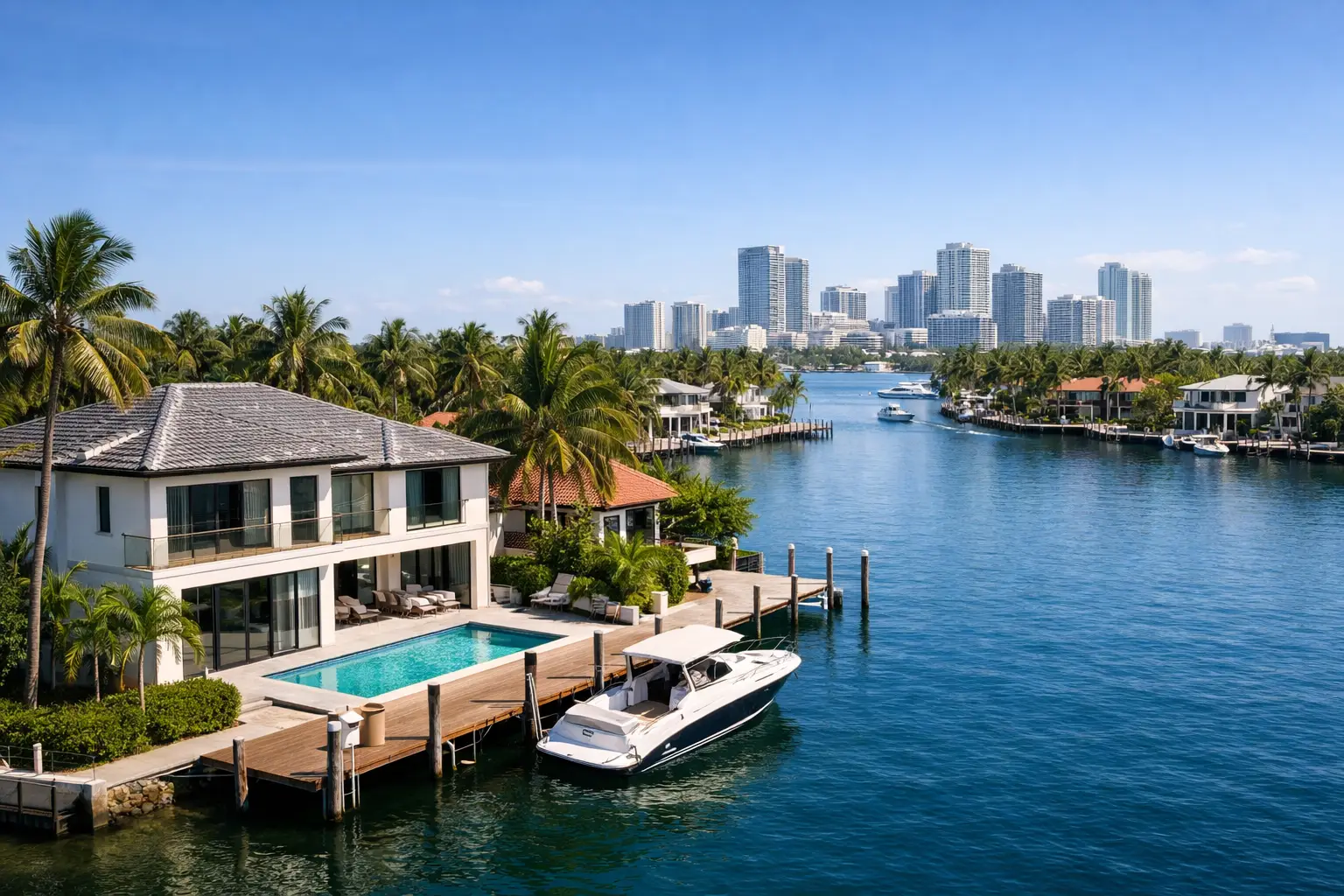
The first thing most buyers notice about waterfront homes for sale South Florida is the view. The second thing they notice is that two homes with the same price can live very differently once you factor in seawalls, flood zones, insurance, dock setup, and how the water actually fits your day-to-day life. That is where a smart search starts.
South Florida waterfront property can be an exceptional lifestyle move and, in some cases, a strong long-term investment. It can also come with higher carrying costs and more due diligence than a comparable inland home. If you are serious about buying on the water, the goal is not just to find a beautiful property. It is to find one that matches how you plan to live, budget, and use the home over time.
What makes waterfront homes for sale South Florida so competitive
There is a reason waterfront inventory gets attention quickly. In many South Florida markets, true waterfront land is limited, and buyers are not just purchasing square footage. They are buying access – to boating, sunset views, privacy, rental appeal, or a certain pace of life.
That said, not all waterfront is equal. A home on a wide canal with ocean access offers a different value proposition than a lakefront property in a planned community. An Intracoastal-facing condo creates a different ownership experience than a single-family home with a private dock. Even within the same city, one street may support larger vessels while another is better suited for smaller boats or paddleboards.
This is why broad price comparisons can be misleading. A home that looks like a bargain may need seawall work, dock upgrades, or expensive insurance adjustments. Another may be priced higher because the lot position, water depth, and access are far superior. Buyers who understand these details move with more confidence and fewer surprises.
Choosing the right kind of waterfront
Many buyers start with a general idea – they want to live on the water. The better question is what kind of waterfront actually serves them best.
Oceanfront and beachfront
These homes tend to carry the strongest emotional pull and, often, the highest prices. The appeal is obvious: direct views, immediate beach access, and strong luxury market demand. The trade-off is exposure. Salt air, wind, and storms can increase maintenance, and condo ownership may come with substantial association fees and special assessments.
Intracoastal and bayfront
For buyers who want dramatic views and boating proximity without direct ocean exposure, Intracoastal and bayfront properties often hit the sweet spot. They can offer excellent scenery and prestige, but docking conditions, bridge access, and boat traffic matter more here than many first-time waterfront buyers realize.
Canal-front homes
Canal homes are popular across Fort Lauderdale, Miami, and surrounding communities because they can provide private dockage and a more residential feel. The key difference is navigability. Some canals offer quick ocean access with no fixed bridges. Others may limit boat size or add travel time. If boating is central to your decision, this is not a small detail.
Lakefront communities
Lakefront homes can be a practical entry point for buyers who want water views and outdoor enjoyment without the full maintenance profile of coastal property. In cities like Miramar, Pembroke Pines, and Weston, lakefront homes may appeal to families and professionals looking for neighborhood amenities, a strong community feel, and a more controlled monthly budget.
The costs that matter beyond the purchase price
One of the biggest mistakes buyers make with waterfront homes for sale South Florida is focusing too heavily on list price. Ownership costs can shift the real affordability picture fast.
Insurance is usually the first major variable. Depending on the property, you may be looking at homeowners insurance, flood insurance, wind coverage considerations, and different requirements from lenders. Premiums can vary based on elevation, age of the roof, storm protections, and claims history.
Maintenance is another factor. Salt air is hard on exterior finishes, windows, mechanical systems, and metal components. If the property includes a dock or seawall, those structures need periodic inspection and upkeep. A home that feels manageable on paper can become expensive if deferred maintenance is already building in the background.
Taxes and association fees also deserve a close look. Waterfront condos may offer lower exterior maintenance responsibility but higher monthly dues. Single-family homes may give you more freedom, but you will carry more of the upkeep directly. Neither is automatically better. It depends on whether you value convenience, control, or a balance of both.
What to inspect before you fall in love
Waterfront buyers should absolutely care about kitchens, layouts, and finishes, but those are rarely the details that create the biggest problems after closing.
Seawall and shoreline condition
A compromised seawall can turn into a serious expense. Cracks, leaning, soil loss, and patchwork repairs all deserve professional review. If the home sits on a canal or bay, the shoreline condition affects both safety and long-term value.
Dock quality and boat access
If the property includes a dock, check more than appearance. Consider water depth, permitted use, lift condition, electrical setup, and whether the dock fits your actual vessel plans. A beautiful dock that cannot support your boating needs is not adding the value you think it is.
Flood risk and elevation
Flood zone information matters for financing and insurance, but it also affects your comfort level as an owner. Ask how the property has handled past storm seasons, whether there have been flood claims, and what mitigation improvements are already in place.
Roof, windows, and storm protection
On waterfront homes, wind resistance matters. Newer roofs, impact windows, doors, and shutters can influence both safety and carrying costs. These features may not be the reason you buy the home, but they can absolutely affect how affordable it feels after move-in.
Neighborhood fit matters as much as the view
The right waterfront home is still the wrong buy if the location does not support your routine. Commute time, school preferences, marina access, walkability, and nearby dining all shape whether a home feels easy or inconvenient.
A buyer who wants year-round boating may prioritize canal access in Fort Lauderdale. A family looking for more space and a calmer neighborhood feel may lean toward lakefront options further west. A professional relocating for work may want a waterfront condo with lower maintenance and easier access to Miami or Boca Raton business corridors.
This is where local guidance makes a real difference. On paper, several homes may look similar. In practice, one block may feel much quieter, one waterway may be more usable, and one community may be easier to live in week after week.
Buying for lifestyle vs. buying for investment
Sometimes those goals line up. Sometimes they do not.
If this is your primary home, start with how you want to live. Morning views, outdoor entertaining, boating, and privacy all have value if you will use them often. It makes less sense to pay a premium for dockage if you do not own a boat and do not plan to.
If you are buying as an investor or considering future rental income, your criteria may shift. Condition, ease of maintenance, insurance profile, and broad market appeal may matter more than having the most dramatic lot on the block. Short-term rental potential can be attractive in certain areas, but local rules and building restrictions must be reviewed carefully before you rely on that strategy.
The strongest purchases are usually the ones where the numbers and the lifestyle both make sense. If one side is missing, the property may still work, but it deserves a harder look.
How to approach the search with more clarity
Start by narrowing your waterfront priorities before you narrow your price range. Decide whether your must-haves are ocean access, lower maintenance, dockage, family-friendly neighborhoods, or strong future resale appeal. Once that is clear, the search gets more efficient.
It also helps to review listings with a sharper eye. Photos sell the dream, but details tell the story. Pay attention to lot size, bridge access, water frontage, age of major systems, association rules, and whether the property has already addressed common waterfront concerns. A well-priced home is not just one that fits your budget. It is one that makes sense after the hidden costs are accounted for.
At Wyser Homes, that is the kind of guidance we believe buyers need most – not more noise, just clearer next steps and better information.
South Florida waterfront living can be every bit as rewarding as buyers imagine, but the best outcomes come from looking past the view long enough to understand the property behind it. When the home, the water, and the numbers all line up, the decision gets a lot easier.