A Florida buyer can fall in love with your house in the first 12 seconds – or scroll right past it because the photos look dark, the price feels “off,” or the showing logistics are a headache. When you want speed, every small friction point stacks up. The good news: selling fast is less about luck and more about removing the reasons a serious buyer hesitates.
How to sell a house fast in Florida (what actually moves the needle)
Florida moves in micro-markets. A waterfront condo in Miami doesn’t behave like a single-family home in Miramar, and Orlando relocation buyers don’t shop the same way as cash buyers in Fort Lauderdale. Still, fast sales tend to come from the same four levers: price confidence, presentation, reach, and a clean path to closing.
When one of those levers is weak, days on market climb. When all four are strong, you can create urgency without playing games.
Start with pricing that makes buyers act
If you want to sell quickly, pricing is not a place to “try it and see.” In many Florida neighborhoods, the first week is your best week. Buyers watch new listings closely, and the serious ones move early when something looks like the best option in its bracket.
A fast-sale price is usually one that feels obviously fair compared to the most recent comparable sales, not the highest number you saw online. Online estimates can lag, miss condition issues, or misread condo fees and community rules. The goal is to land at a number that makes a buyer say, “We should go see it today,” not “Let’s keep an eye on it.”
It also depends on your timeline. If you need a contract in 7 to 14 days, you generally price sharper than if you only need to be closed in 45 days. Speed is a trade-off: you can often buy time with price, and buy price with time.
Make the home feel easy to say yes to
Florida buyers notice different things than buyers in colder states. They’ll pay attention to roof age, insurance-friendly updates, hurricane protection, HVAC condition, and anything that suggests high carrying costs. If your home feels like “a project,” you narrow your buyer pool and slow down the decision.
You don’t have to renovate to sell fast, but you do need to reduce visual and functional objections.
Focus on the handful of improvements that show up in photos and in a walkthrough. Fresh paint in a light, clean color, new fixtures in the most dated spots, crisp landscaping, and professional cleaning can change how a buyer reads the entire property. If the budget is limited, skip personal taste upgrades and put effort into condition signals: caulking, touch-ups, working lights, and anything that suggests the home has been cared for.
One Florida-specific move that can speed things up is gathering your “confidence file” before you list: roof permit info, wind mitigation report (if you have it), a recent survey if available, and any transferable warranties. The more questions you can answer quickly, the less time buyers spend stalling.
Treat photos and showing access like part of the price
If buyers can’t see it, they won’t buy it. And if seeing it is hard, they’ll choose the next house.
Professional photography is one of the fastest returns on effort for a quick sale, especially in high-competition areas like Miami and Fort Lauderdale where listings blur together. Bright photos, accurate room flow, and clean exterior shots pull in the showing requests that create momentum.
Then there’s access. If your showing schedule is restrictive, you cut off the very buyers who are ready to move fast: relocating professionals with tight calendars, families juggling school pickup, and out-of-town buyers booking a weekend to see everything. If you can, be generous with showing windows for the first 7 to 10 days. That’s when you want the largest surge of activity.
Build urgency the right way (without overplaying it)
A fast sale comes from competition, not pressure. Competition is created by visibility and a clean offer process.
That means your listing needs to hit the market with a clear story: what it is, who it’s for, and what makes it the best option at its price point. “Updated kitchen” is vague. “2021 roof + impact windows + new HVAC” is a decision-maker.
Your agent’s job here is to coordinate the launch timing, the showing flow, and the feedback loop. When feedback comes in early (“price feels high for the condition,” or “they’re worried about insurance”), you want to respond quickly – sometimes with a small adjustment that saves weeks.
If multiple offers come in, the fastest close is not automatically the highest offer. The strongest offer is the one with the fewest ways to fall apart.
Florida speed bumps that can slow a sale (and how to avoid them)
Selling quickly in Florida means anticipating the issues buyers and lenders tend to scrutinize.
Insurance and roof age
In many parts of Florida, insurance availability and cost can become a deciding factor. Buyers may ask about roof age right away, and some lenders and insurers have stricter guidelines depending on the roof type and remaining useful life.
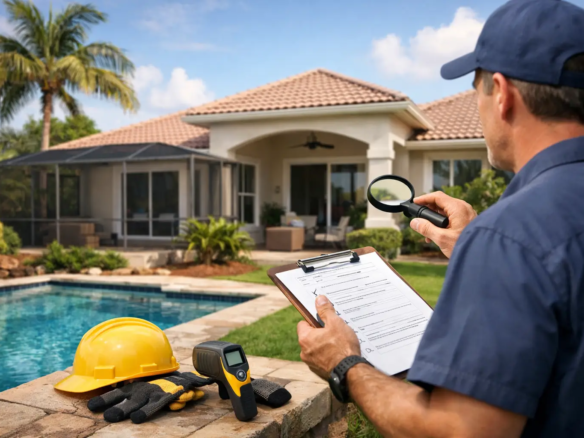
If your roof is older, you may still sell quickly, but you’ll want to be proactive. Provide documentation, consider a pre-listing roof inspection, and be realistic about how roof condition affects pricing and concessions.
Condo and HOA timelines
Condos and HOA communities add paperwork and timing. Buyers may need association approval, document review periods, and clear details on fees and rules.
To keep speed on your side, gather association docs early, confirm leasing restrictions (especially for buyers thinking about rentals), and be ready with accurate monthly totals. In South Florida, a buyer comparing condos often decides based on the full payment, not just the sale price.
Appraisals and repairs
If your buyer is financing, the appraisal can become the bottleneck. Appraisals tend to follow recent sales, and if your price runs ahead of the latest comps, you can lose time renegotiating.
A clean, well-supported list price helps, but so does the home’s condition. Lenders can flag obvious deferred maintenance. If you handle small repairs up front, you reduce the chance of a last-minute scramble.
Pick the sale strategy that matches your timeline
There’s no single “right” way to sell fast. The best route depends on how certain you need the closing date to be, how much flexibility you have on price, and the condition of the home.
Traditional listing for maximum exposure
If your home is market-ready and you want the widest pool of buyers, a traditional listing with strong marketing usually produces the best combination of speed and price. This is especially true in popular neighborhoods where turnkey homes get immediate attention.
Speed here comes from preparation before the listing goes live: pricing, photos, showing plan, and a tight description that answers buyer questions.
Price-forward strategy for a faster offer window
If your top priority is getting under contract quickly, a slightly more aggressive price can compress the timeline. This can work well when you’re competing with multiple similar homes or when your home has a limitation buyers will notice (busy street, older finishes, smaller yard).
The trade-off is obvious: you may leave some money on the table. The benefit is control over time, which can matter if you’re coordinating a move, a job start date, or a purchase contingent on your sale.
Investor or as-is sale for condition challenges
If the home needs significant repairs, or if you’re dealing with an estate situation and don’t want to renovate, an as-is approach can still move quickly. You’ll want to set expectations in the listing and price with the repair reality in mind.
This route often reduces prep time but can also narrow your buyer pool. The offers can be solid, but they can also come with tougher negotiations. The key is to keep the process clean: disclose what you know, document what you can, and avoid getting pulled into endless “maybe” conversations.
What to do in the first 7 days to push a fast sale
The first week is where momentum is either created or lost. If you want to know how to sell a house fast in Florida, treat this window like a launch, not a listing.
Make the home easy to tour, respond quickly to showing requests, and pay close attention to patterns in feedback. One person saying “too small” is just preference. Three groups saying “price feels high for the updates” is a signal.
If you get strong activity but no offers, it usually points to pricing or a hidden objection buyers don’t want to say out loud (smell, lighting, clutter, or a sense that the home needs more work than expected). Fix what you can immediately. If the objection is real and persistent, adjust fast rather than waiting for the listing to “get stale.”
Work with a Florida team that can move quickly
Speed depends on coordination: pricing based on true local comps, vendor connections for quick touch-ups, strong listing presentation, and a steady hand once offers arrive. If you want a plan built around your timeline, Wyser Homes can help you position your property for a faster, cleaner sale across South Florida and major statewide hubs.
Closing thought: a fast Florida sale isn’t about rushing – it’s about removing uncertainty so the right buyer feels comfortable moving now.