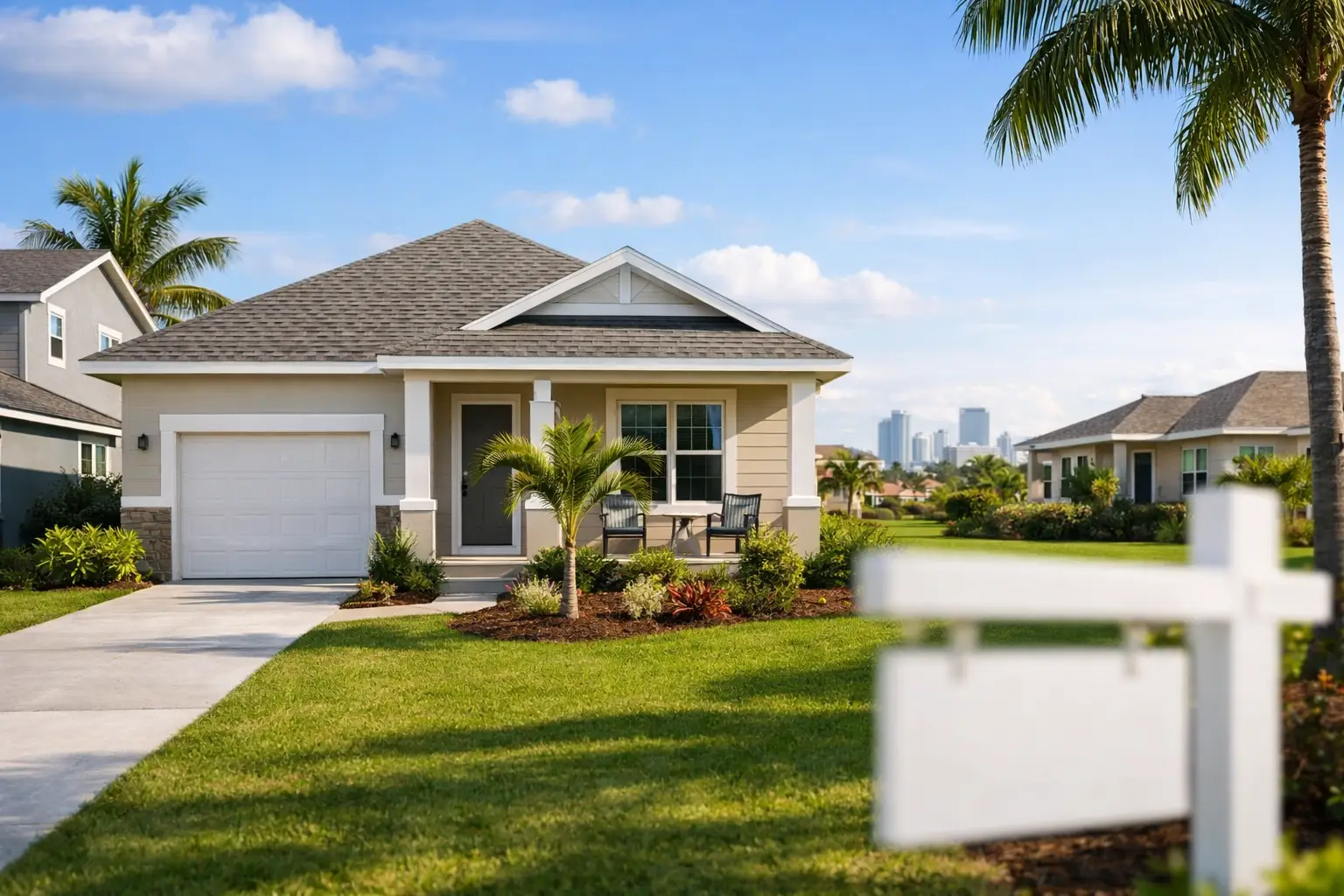
That first home search usually starts with a reality check. In Miami, the numbers can feel steep fast, which is why many buyers start looking beyond the urban core. The best starter homes in Miami suburbs are often the ones that balance price, commute, neighborhood feel, and future flexibility – not just the lowest list price on the screen.
For first-time buyers, that matters. A starter home is not only about getting in. It is about choosing a place you can comfortably carry for the next few years, even if insurance costs rise, traffic changes your commute, or your household needs shift. In South Florida, the right starter home is usually the one that gives you options.
What makes the best starter homes in Miami suburbs?
A good starter home in the Miami area is rarely perfect. It may have an older kitchen, a smaller yard, or a longer drive than you hoped for. But if it checks the boxes that protect your budget and your lifestyle, it can still be the right move.
Price is only one part of the picture. Monthly payment, homeowners insurance, HOA fees, property taxes, and likely maintenance costs all matter just as much. A home that looks affordable at first glance can become a strain if the community fee is high or the roof is near the end of its life.
The best starter homes in Miami suburbs also tend to share a few practical traits. They are in neighborhoods with steady buyer demand, near major roads or transit routes, and in communities where resale is realistic if your plans change. That can mean a townhouse in Miramar, a modest single-family home in Homestead, or a condo in a suburb with strong amenities and easier access to work centers.
Why many first-time buyers look outside Miami proper
The appeal is straightforward. In many suburbs, buyers get more square footage, more parking, and a little more breathing room for the same budget. For growing families and relocating professionals, that trade can make sense.
There is also a lifestyle factor. Some buyers want quieter streets, neighborhood parks, and schools close to home. Others want newer construction, gated communities, or homes that need less immediate work. Those features are often easier to find once you move outside the city center.
That said, suburban value depends on your routine. If you work in Brickell five days a week, saving money on the home may not feel like a win if the commute adds hours to your week. If you work remotely or split time between home and office, a farther-out suburb may suddenly become much more attractive.
Suburbs worth watching for starter-home buyers
Miami-area buyers often cast a wide net, and for good reason. Each suburb offers a different mix of price point, property type, and pace of life.
Homestead is frequently part of the conversation because it can offer more attainable entry points than many closer-in neighborhoods. Buyers may find newer townhomes and single-family communities with more interior space than they expected. The trade-off is distance. If your job, family, or lifestyle is centered in Miami, that drive needs to be part of the budget discussion just as much as the mortgage.
Miramar appeals to buyers who want a suburban setting with strong access to major corridors and a range of housing options. Some neighborhoods can still offer townhomes and smaller detached homes that feel more manageable for first-time buyers. Inventory and pricing can vary sharply by section of the city, so local guidance matters here.
Pembroke Pines stays popular for a reason. It offers established neighborhoods, shopping, schools, parks, and a housing mix that can work for different budgets. Starter-home buyers may not always find bargain pricing, but they often find neighborhoods that hold value well and support day-to-day convenience.
Davie can make sense for buyers who want a more residential feel without giving up accessibility. Depending on the area, you may find townhomes, villas, and smaller single-family properties that fit a first-home budget better than comparable homes closer to Miami. As always, it depends on exact location, age of the home, and community fees.
Choosing the right property type
For many buyers, the real question is not just where to buy but what to buy.
A condo can offer the lowest entry price, and that may be enough to make homeownership possible sooner. It can also mean less exterior maintenance. But condo associations come with rules, monthly fees, and financial health issues that deserve a close look. A lower sales price does not always mean a lower monthly cost.
A townhouse is often the middle ground. You may get more space than a condo, a smaller maintenance burden than a detached house, and a neighborhood setup that feels easy to manage. This is why townhomes are often among the best starter homes in Miami suburbs, especially for buyers who want two or three bedrooms without taking on full single-family upkeep.
A single-family home gives you the most independence. You get your own yard, your own walls, and usually more flexibility long term. But you are also taking on the roof, the plumbing, the landscaping, and every unexpected repair. For some first-time buyers, that independence is worth it. For others, it creates too much pressure too early.
The costs buyers underestimate most
In South Florida, insurance deserves special attention. Buyers often focus on principal and interest, then get surprised by the full monthly payment once taxes and insurance are added in. Older roofs, flood exposure, and certain construction types can all affect the final number.
HOA fees are another major factor. A community with a lower purchase price but high monthly dues may leave you with less flexibility than a slightly more expensive home with fewer recurring costs. This is where comparing total monthly expense, not just list price, becomes essential.
Repairs matter too. A home that needs a new AC, electrical updates, or plumbing work can stop being a starter home and start feeling like a project. Some buyers are comfortable with that if the price is right. Others are better served by a home that is less exciting but more stable from day one.
How to spot a smart starter-home opportunity
Look for homes that are livable now and improvable later. Cosmetic flaws are usually easier to manage than structural issues. Old flooring, dated cabinets, and worn paint may look discouraging in photos, but those are often more manageable than foundation concerns, storm-damaged roofs, or serious moisture problems.
Pay attention to the neighborhood as much as the house. Are homes generally maintained? Is there active buyer demand? Are you close to schools, shopping, major roads, or local job centers? A starter home should support your life today and still appeal to the next buyer when it is time to move.
It also helps to think one step ahead. If you expect your family to grow, work from home more often, or keep the home as a future rental, those plans should shape what you buy now. The cheapest option is not always the smartest one.
What first-time buyers should do before touring homes
Get clear on your real monthly comfort zone before you fall in love with a property. That number should include mortgage, taxes, insurance, HOA fees, utilities, and room for normal life expenses. A lender can tell you what you qualify for, but that is not always the same as what feels sustainable.
From there, narrow your search by lifestyle. If commute is the top priority, focus on suburbs with easier highway access. If space matters most, widen the map and compare what your budget buys in farther-out areas. If low maintenance is the goal, townhomes and newer communities may give you a smoother start.
This is also where having a local guide helps. Markets move neighborhood by neighborhood, and two communities with similar list prices can feel very different once you compare fees, condition, and resale potential. Wyser Homes helps buyers cut through that noise and focus on homes that fit both the budget and the bigger plan.
The right starter home is the one that keeps life manageable
There is no single answer to the best starter homes in Miami suburbs because every buyer is balancing something different. One household wants the lowest monthly payment possible. Another is willing to stretch a bit for a shorter commute or a better school zone. A third wants a home that can become an investment later.
The smartest first purchase is usually the one that leaves room to breathe. Room in the budget, room in the schedule, and room to adjust if life changes. When a home does that, it stops being just a first step and starts becoming a solid one.
If you are weighing suburbs, property types, and monthly costs all at once, slow the search down enough to compare the full picture. The right home should feel realistic before it feels exciting. That is often how good decisions get made.